Materials, metallurgy and chemistry

Expertise in materials, metallurgy and chemistry

Our team has expertise in polymers, metallurgy, glass and chemical analysis. Drawing on knowledge of chemistry, fracture mechanics and fractography, our experts can determine the cause of failure in a wide range of materials and components.

Materials, metallurgy and chemistry

Expertise in materials, metallurgy and chemistry

Our team has expertise in polymers, metallurgy, glass and chemical analysis. Drawing on knowledge of chemistry, fracture mechanics and fractography, our experts can determine the cause of failure in a wide range of materials and components.

Polymer materials, now widely used in plumbing, appliances and construction, can degrade under mechanical, chemical or environmental stress. Metal parts can also fail, notably as a result of corrosion or chemical incompatibility.

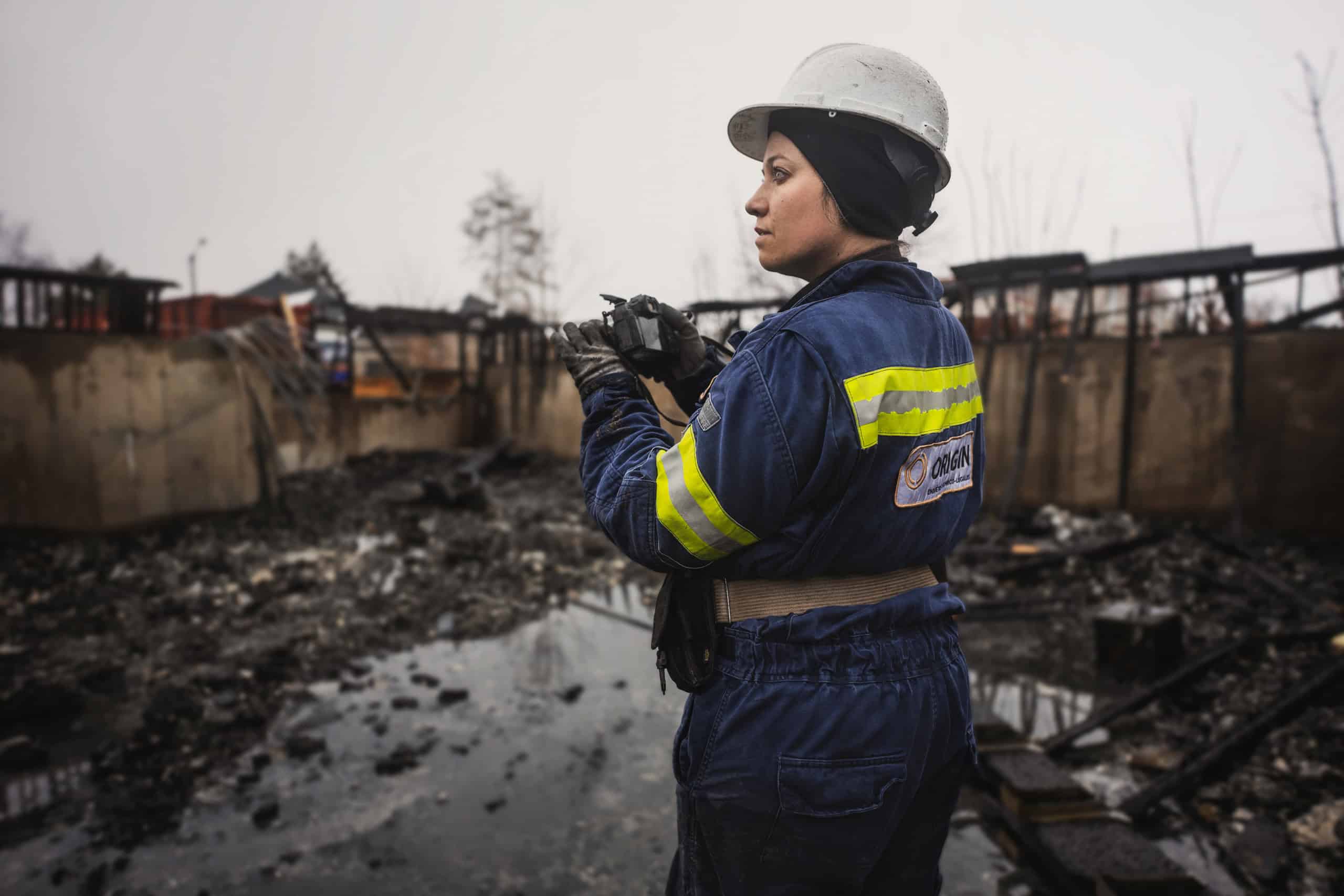
Our experts analyze these phenomena to identify interactions between materials and chemical products, along with contamination that can occur following fires or chemical spills in industrial or commercial settings.

We can also carry out contamination analysis to determine its nature and impacts. Fires in commercial or industrial settings can lead to soot contamination, which is sometimes corrosive, while chemical spills can contaminate air, equipment and products, even through their packaging.

Our specialized equipment

Origin owns state-of-the-art equipment that allows its experts to carry out in-depth analyses. All of our equipment is complementary, supports a rigorous scientific approach and makes it possible to push the limits of analysis in the most complex cases. This gives our clients not only better control over quality and costs, but also scientific rigour in every technical aspect of a file. We cover the entire process, from observation to conclusion, directly in our laboratory, to make your work simpler and faster.

Scanning electron microscope (SEM)

New

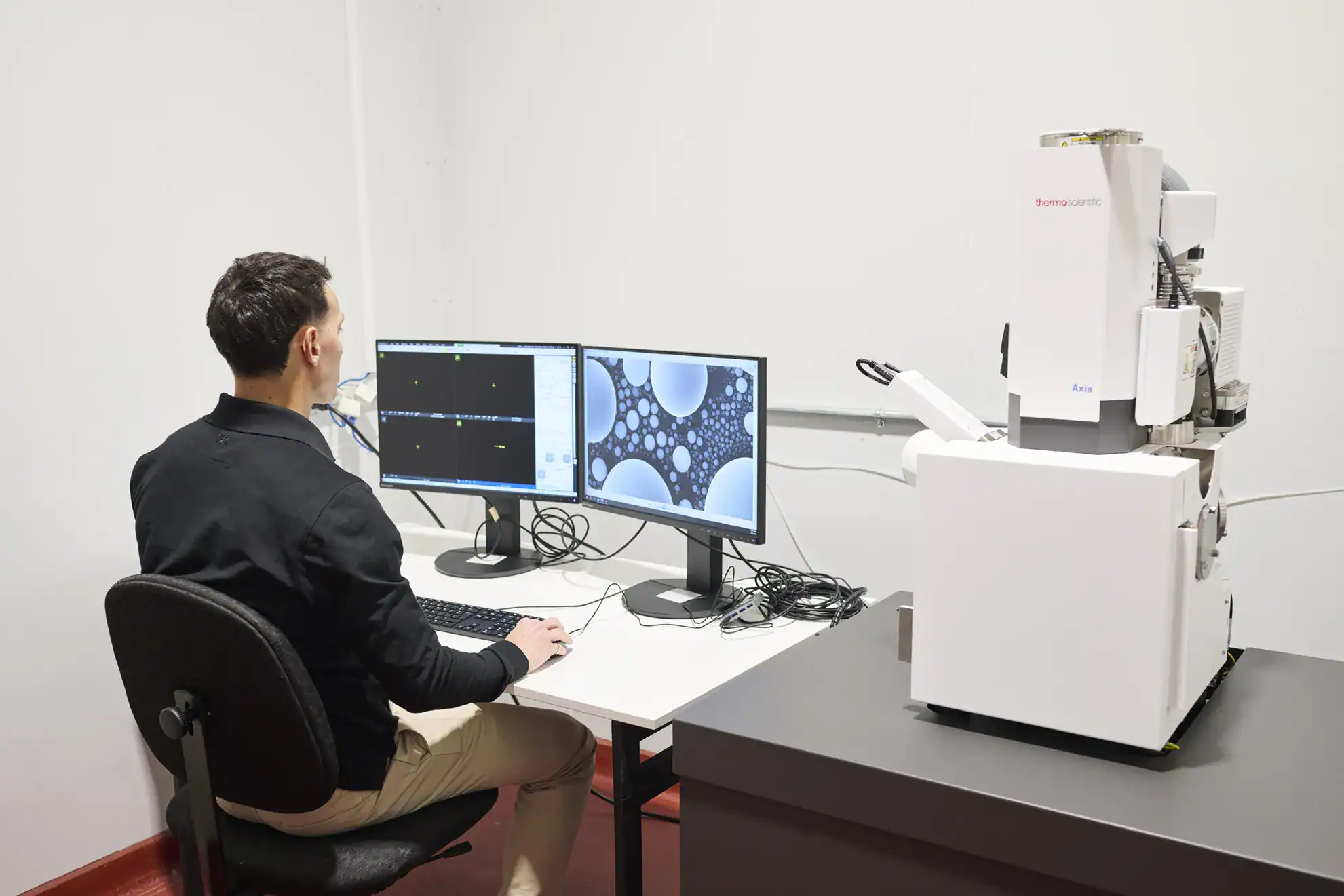
To offer our clients ever more precise and defensible analyses, Origin has acquired a Thermo Fisher scanning electron microscope (SEM), model Axia, recognized as an essential tool in failure analysis and now integrated into our laboratories.

This tool lets us examine materials in exceptional detail and pinpoint the origin of a failure, whether cracking, porosity, corrosion, fatigue, overload or a metallurgical defect. Each mechanism leaves a distinctive signature that we can now observe, analyze and document entirely in-house.

Beyond morphological analysis, the SEM also identifies the chemical elements present in a targeted area. That capability is decisive in confirming or ruling out contaminants or alterations that may have compromised the integrity of a material.

For our clients, this means:

  • Conclusions backed by solid scientific evidence;
  • Complete handling, with no intermediary;
  • Better control over turnaround times;
  • Clear, rigorous and fully defensible expert analyses.

From microscopic examination to expert conclusion, every step takes place in our laboratories: a strategic investment in precise, reliable answers suited to the technical and legal stakes of your files.

Keyence VHX-7000 microscope

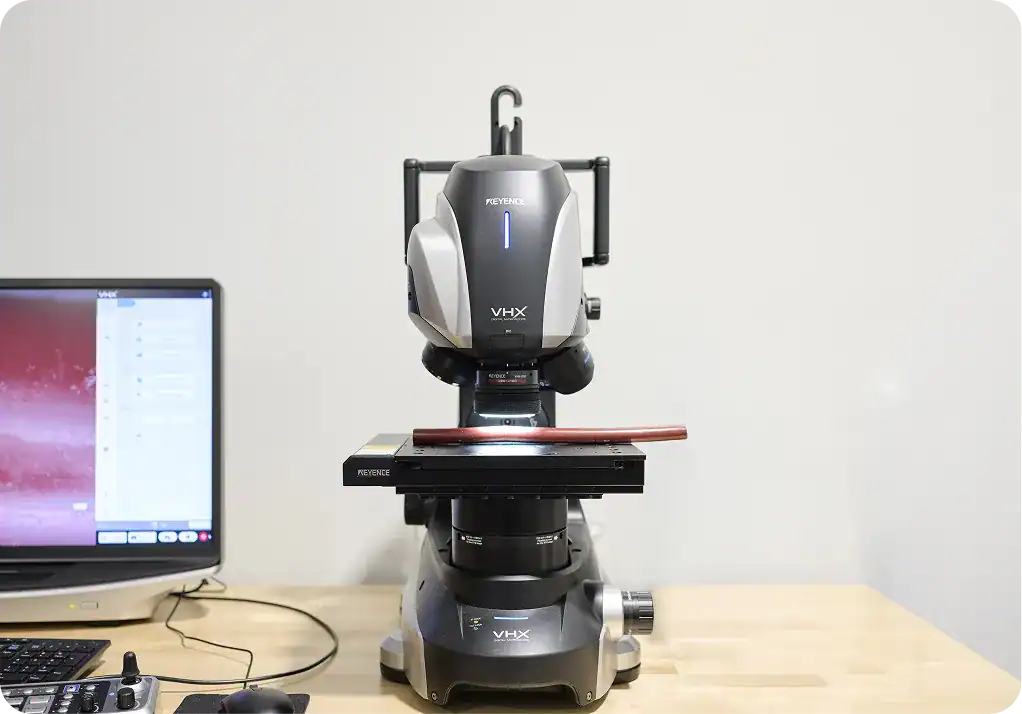
This microscope gives our materials, metallurgy and chemistry experts fast, in-depth analysis techniques, thanks to glare elimination and its depth of field.

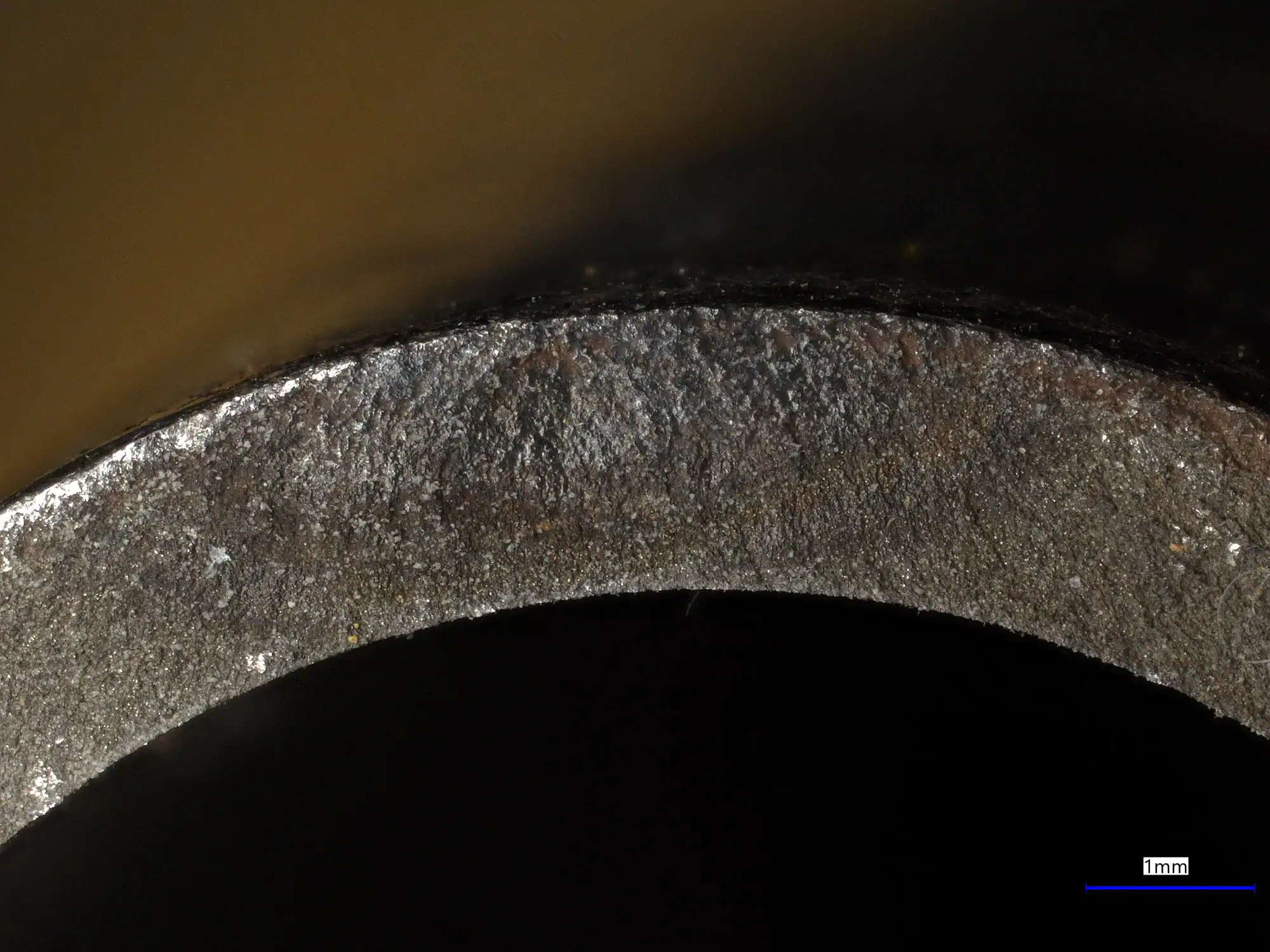
It magnifies up to 2,500 times, compared with 80 to 400 times for most other digital microscopes. That level of magnification is especially useful for metallographic analysis. In addition, the internal design of the lenses, cameras and graphics engine makes it possible to observe parts with optimal sharpness, which makes capturing high-resolution images easier. This microscope can analyze various characteristics, such as roughness, contamination and the grain size of a material.

Spectrum Spotlight 200i (infrared spectroscopy) 

This precision instrument performs localized chemical analysis, particularly of polymers. It strengthens our ability to clearly identify areas of interest on an actual part non-destructively, to target analysis positions precisely and to correlate each observation with the associated chemical results.

Analyses can be performed on surfaces on the order of 0.1 mm × 0.1 mm — extremely small areas, completely invisible to the naked eye. That resolution allows us to identify contamination, localized degradation and polymer types with micrometric precision.

INVESTIGATION AREAS

Our experts in materials, metallurgy, and chemistry

Catherine Dicaire
B.Sc., Chemist
Bruno Gélinas
Ph.D., chemist
Nicolas Roux-Garcia
Eng., M.Eng.
Sammy Touaibia
Chemist, CPI
Julie Toupin
M.Sc., Chemist

Related Articles

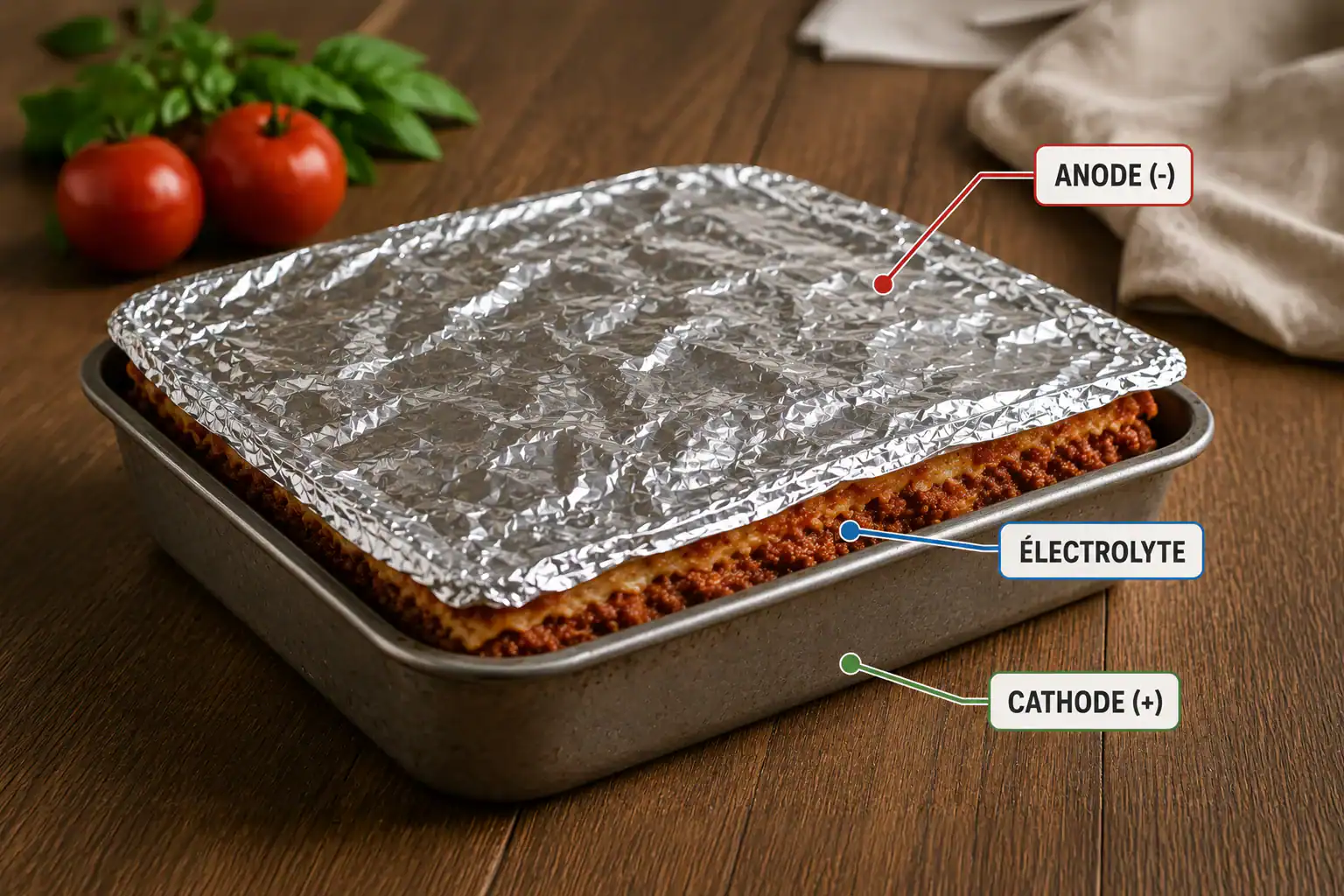
When Your Lasagna Turns into a Pile: Understanding Galvanic Corrosion

Corrosion in Steam Boilers: When Water Chemistry Becomes a Materials Problem

When Mechanics and Metalworking Meet: Solving a Spray Nozzle Claim as a Team

How do you identify fatigue failure?

Personalized
support on every
assignment

Every file presents its own technical challenges. Origin’s forensic experts analyze the facts, examine the site and assess the technical evidence to determine the cause of the damage and the circumstances of the loss. They support their clients throughout the assignment and provide clear, well-documented conclusions to support decision-making.

So you don't miss a thing

Subscribe

today

to our

News letter

Get direct access to analyses and insights from our forensic experts.
Explore case studies, technical analyses, and the trends shaping the field of post-disaster investigations.

✓ Easy to unsubscribe • No spam